
Factory-engineered software for the new era.
Software has begun to act on our behalf, and what acts must meet a standard. MIMUSE is a factory that engineers software to that standard, every part proven before it is used and every act on the record, at a cost the organisations that need it most can carry.
Built in New Zealand.
The horizon · the edge of a new era
01The new era
When software only held the books, a fault was an inconvenience. Now it files, approves, pays and decides, often through agents, faster than anyone can watch.
Things that do work for us must meet a standard.
Every field whose work carries consequences learned this long ago. Aircraft, medicines and bridges are specified, verified and certified before they are used, and operated with records. Most software never had to be. Write fast, test partly and patch in production is tolerable when little depends on it. When a payment, a decision or a public duty depends on it, it is not.
Where software has been engineered to that standard, it has cost years and fortunes, so it has lived only where giants and governments could pay. The professions, the credit unions, the communities and most organisations have had the duties without the means. That is the gap MIMUSE exists to close.
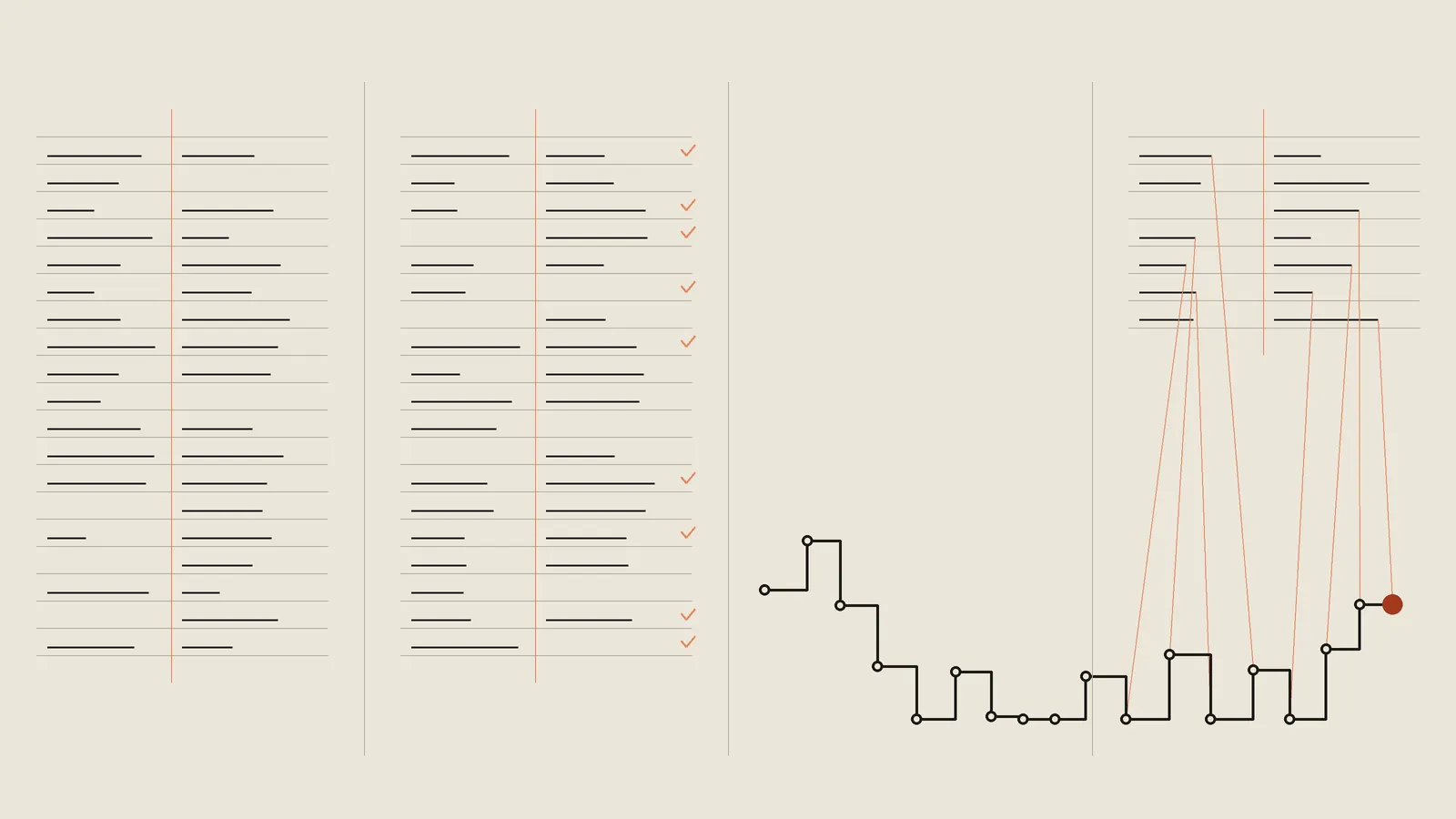
- IRecorded
- IIAssisted
- IIIPerformed
- IVAnswerable
02The factory
A factory, not a workshop.
In most software, quality depends on who wrote it and how carefully it was checked. In a factory it depends on the process. At MIMUSE every part is specified before it is built and proven before anything may use it, and when what a part must do changes, its proof lapses until it is earned again. Nothing reaches use because it looks finished.
Machine intelligence does much of the engineering work, at a scale people alone could not afford. None of that work is trusted because a machine did it. It passes the same proof as everything else, or it does not enter use.
What the factory has proven, it holds as a catalogue: the working parts of an institution. Each product is assembled from that catalogue and leaves new proven parts behind, so every product makes the next one cheaper to make, and the standard does not thin out as the range grows.
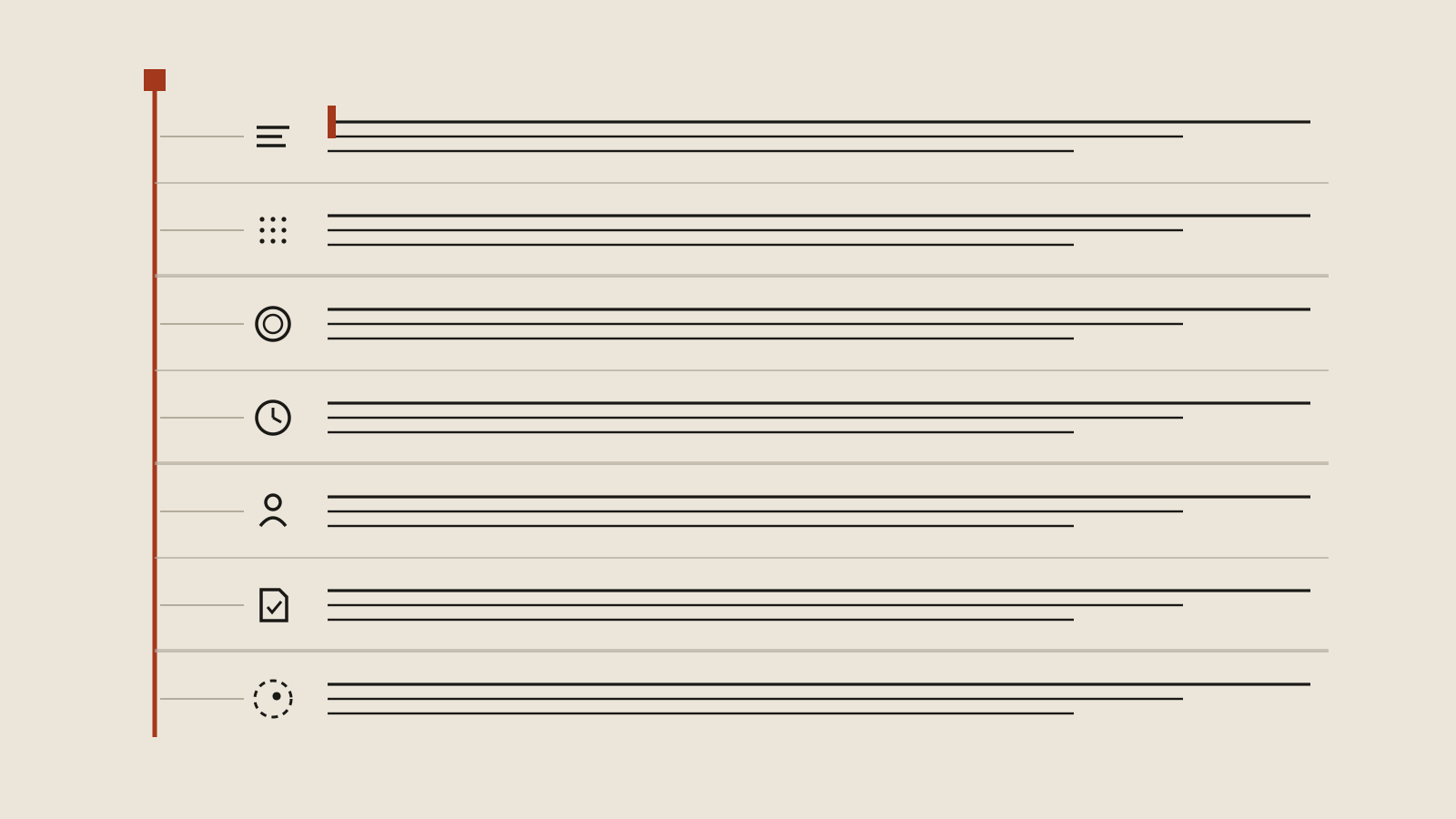
The standard stops being a luxury.
03The record
A record, not a claim.
Software made to the standard can answer for what it does. At the moment it acts, it keeps the account: what was done, on whose authority, and how it is put right if it was wrong, in a form someone who was not there can check. Most software describes itself afterwards. That is a claim.
We hold ourselves to one more rule. If checking a record depends on the company that made it, it is still a claim. So the way our records are checked is meant to be open, and not ours.
A claim
“All supplier payments are checked in line with our payment policy.”
Written by the system about itself, after the fact. Nobody outside can test it.
A record
- What
- A supplier payment released, after the new bank details were confirmed by telephone.
- Whose authority
- The finance manager, under the firm’s payment policy.
- When
- Recorded at the moment of release, not written up afterwards.
- If it was wrong
- Who can reverse it, and who must approve the reversal.
- Who can check
- Anyone holding its reference, without access to the firm’s systems or ours.
04What it makes
Whatever an institution runs on
The factory is not built for one market. It makes what institutions run on, wherever the standard was out of reach. Four places show the range at work. They are examples, not its edges.
- i
Duties, met and shown
For practices that now carry public duties: obligations met in a way the client, the regulator and the court can see.
- ii
Agents with a mandate
For organisations putting agents to work: the same hold over an agent that they have over a person.
- iii
A core an institution can hold
For credit unions and community lenders: systems for holding and moving value that they can afford and own.
- iv
Registers a community keeps
For communities that govern themselves: their records, held where the community says.
- v
And the next
Whatever your work runs on. What the catalogue lacks, the factory builds, proves and adds for everyone after.
05Who holds it
A standard that is not ours to lower
The factory, its methods and its catalogue are held in trust, and licensed, never sold. The standard a part must pass is part of what is held, so it cannot be lowered to win a sale. And the way records are checked is meant to pass to an independent foundation, so that no company can close it, including ours.
MIMUSE was founded in New Zealand by Don Anderson, a systems thinker, a software developer and a former lawyer who spent his career building what institutions and communities needed and could not buy.
06Read on
Read the full picture
Our plans, the way we intend to grow and the shape of the approach are shared with people who apply and sign a non-disclosure agreement. If your work needs this standard, as an investor, an adviser, a practice, an institution or a community, we would like to hear from you.